
Being hit by someone who chose to drive drunk can leave you with serious injuries and questions about what comes next. A drunk driving accident lawyer in NYC at Sullivan & Galleshaw, LLP represents people hurt by impaired drivers in Queens, Brooklyn, and Manhattan.
A drunk driving claim is not an ordinary car accident claim. It can open the door to punitive damages against the driver, and it can bring in a second defendant: the bar, restaurant, or liquor store that kept serving someone who was visibly drunk.
Call (718) 843-0300 to speak with our team about what your case may include.
Why Work With Sullivan & Galleshaw, LLP After a Drunk Driving Crash
Drunk driving cases move on two tracks at once, the criminal driving while intoxicated (DWI) case and your injury claim, and the evidence for both disappears quickly. Our job is to keep your claim moving while the criminal case runs its course.
When you hire us, we can:
- Request the police report, breath or blood test results, and arrest records tied to the DWI charge
- Identify where the driver was drinking and send preservation letters for receipts, bar tabs, and video
- Deal with the insurance companies so you are not giving recorded statements while you recover
- Check every source of coverage, including your own policy, before any settlement talks begin
- Track the deadlines that apply to each defendant, which can differ
Our main office sits on Cross Bay Boulevard in Ozone Park, Queens, and our staffed Manhattan office is at 30 Wall Street. That puts us close to the Queens, Kings, and New York County courthouses where many of these cases are filed.
Call (718) 843-0300 to start that conversation.
How Is a Drunk Driving Accident Claim Different From an Ordinary Crash?
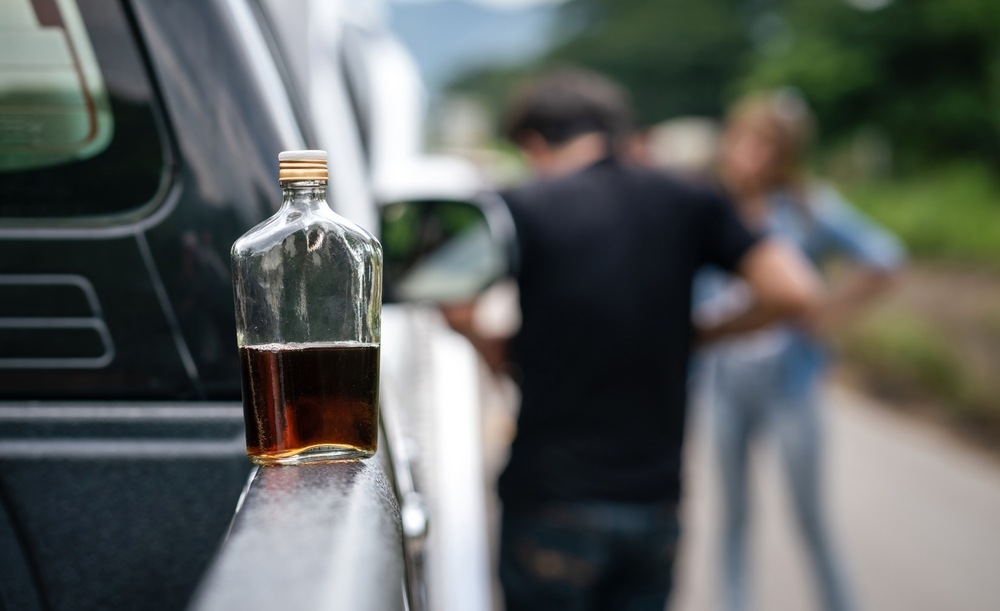
A drunk-driving claim starts with the same rules as any New York car accident, but it can lead to more defendants and more categories of damages. The driver’s intoxication becomes evidence of fault, and it may support claims a typical rear-end or lane-change case never reaches.
The table below shows where the two kinds of claims part ways.
| Issue | Ordinary car accident | Drunk driving accident |
|---|---|---|
| Who you can pursue | The at-fault driver and the vehicle owner | The driver, the owner, and possibly the business that served the driver |
| Damages available | Medical costs, lost income, and pain and suffering if the serious injury threshold is met | The same, plus possible punitive damages against the driver |
| Key evidence | Photos, witnesses, vehicle damage, and the police report | All of that, plus test results, bar receipts, and the criminal court file |
| Insurance picture | Usually one liability policy | One liability policy, plus the bar’s own liability coverage in a dram shop claim |
The extra defendant matters most when the driver carries only the minimum liability coverage New York requires. A bar or restaurant often has separate insurance that can make a real difference in a serious injury case.
Punitive Damages Against a Drunk Driver
Punitive damages punish conduct that shows a reckless disregard for other people’s safety, and New York courts have allowed juries to consider them against drivers who chose to drive while intoxicated. They are not automatic. A jury decides whether the driver’s conduct went far enough beyond ordinary carelessness to justify them.
Insurance does not cover punitive damages in New York, so any punitive award usually has to come from the driver’s own assets. That is one reason we look closely at every other source of recovery from the start.
New York’s Dram Shop Act and Second Defendants
The second defendant is often the most valuable part of a drunk driving case. New York’s Dram Shop Act lets an injured person pursue a business that unlawfully sold alcohol to the driver, and we explain how that works in the next section.
Can You Sue a Bar for Overserving a Drunk Driver in New York?
You can sue a bar, restaurant, or other licensed seller in New York when it unlawfully sold alcohol to the person who caused your injuries. The right comes from the Dram Shop Act in the General Obligations Law, and it is separate from your claim against the driver.
A sale is unlawful under the Alcoholic Beverage Control Law when the business sells to someone who is visibly intoxicated or to someone under 21. The question is what the server could see. Slurred speech, stumbling, loud or aggressive behavior, and a long tab at one seat all can show that the driver was visibly drunk when the bartender poured another round.
What We Look For in a Dram Shop Claim
Dram shop evidence is often held by the business itself, and much of it can be erased or thrown away within weeks. We move to preserve it early. The most useful proof usually includes:
- Credit card receipts and itemized tabs showing what was ordered and when
- Surveillance video from inside the bar and from nearby businesses
- Testimony from bartenders, servers, bouncers, and other customers
- The driver’s statements to police about where they were drinking
- Blood alcohol test results, which can help a toxicologist work backward to the driver’s condition at the bar
Pieced together, this evidence shows a timeline that a jury can follow from the last drink to the crash.
Who Cannot Be Sued Under the Dram Shop Act
The Dram Shop Act reaches commercial sellers, not private hosts. A friend who served drinks at a house party generally cannot be held liable for an adult guest who later drove drunk. New York does allow claims against anyone who knowingly furnishes alcohol to a person under 21 who then causes injury, under a separate provision of the same law.
How Does the Criminal DWI Case Affect Your Injury Claim?
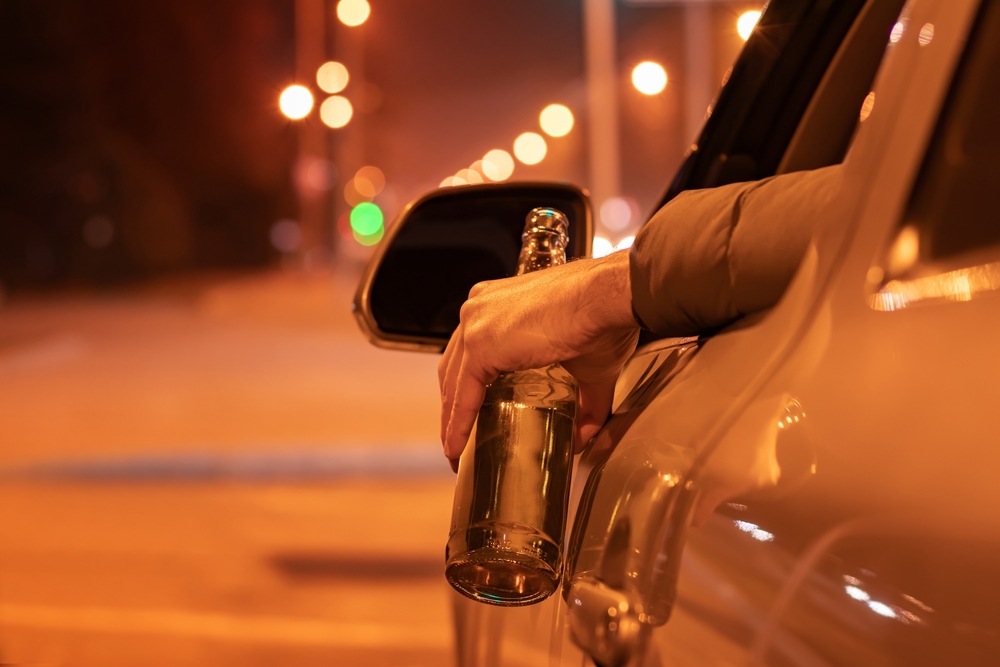
The criminal DWI case and your civil injury claim are separate. The district attorney prosecutes the driver for breaking Vehicle and Traffic Law § 1192, while your claim seeks compensation for what the crash cost you. The two cases influence each other in a few important ways:
- You do not have to wait for a conviction. Your civil claim can be filed while the criminal case is pending, and waiting too long risks missing your own deadline.
- A guilty plea can be used in your case. When the driver pleads guilty, that plea can usually be offered as evidence that the driver admitted the conduct. How much weight it carries depends on the charge they pleaded to.
- A trial conviction can carry even more weight. A conviction for driving while intoxicated may help establish fault in the civil case, though the defense can still contest how much harm the crash caused.
- The criminal file is a source of evidence. Test results, officer observations, and video gathered by police can become part of your claim.
- Plea deals change the picture. Drivers sometimes plead down to a lesser charge, such as driving while impaired, which can affect how useful the plea is in your case.
Because of these overlaps, we follow the criminal docket closely and time our own filings around it rather than letting the prosecution set our pace.
Does the Serious Injury Threshold Apply When a Drunk Driver Hit You?
The serious injury threshold applies in most drunk driving cases against the driver, just as it does in any New York car accident. New York’s no-fault system pays your basic medical bills and lost wages first, but you can only sue the driver for pain and suffering if your injury meets the definition in Insurance Law § 5102(d).
For lawsuits filed on or after May 26, 2026, the qualifying categories are:
- Death
- Dismemberment
- Significant disfigurement
- A fracture
- Loss of a fetus
- Permanent loss of use of a body organ, member, function, or system
- Permanent consequential limitation of use of a body organ or member
- Significant limitation of use of a body function or system
The 2026 state budget removed the former 90/180-day category, which used to cover injuries that kept someone from normal daily activities for 90 of the first 180 days. It also requires a jury to decide fault before it decides whether the injury is serious, so how the crash happened now comes first in the trial.
The threshold works the same way as it does in any other car accident claim in New York. High-speed impacts with impaired drivers often cause fractures and traumatic brain injuries, which tend to fit the remaining categories, but the medical proof still has to be built carefully.
When the Drunk Driver Claims You Were Partly at Fault
Drunk drivers and their insurers still argue that the injured person shares the blame, for example by saying you were speeding or ran a yellow light. Under a 2026 change to Civil Practice Law and Rules (CPLR) § 1411, in motor vehicle cases filed on or after May 26, 2026, you cannot recover if your share of fault is greater than the fault of the people you sued.
How the New Fault Rule Works in Practice
If you are found less at fault than the defendants, your award is reduced by your percentage. For example, if a jury values your damages at $200,000 and finds you 20% at fault, you would recover $160,000.
If the jury instead found you more at fault than the drunk driver, you would recover nothing from that driver, which is why evidence of intoxication and the driver’s conduct carries so much weight.
TALK TO A DRUNK DRIVING ACCIDENT LAWYER
FAQs: Drunk Driving Accident Lawyer NYC
How long do I have to sue a drunk driver in New York?
Most injury lawsuits against a drunk driver in New York must be filed within three years of the crash under CPLR 214. Wrongful death claims generally have a two-year deadline from the date of death, and claims involving a government vehicle require a notice of claim within 90 days. Exceptions such as a victim’s young age can change the timing.
Can a passenger in the drunk driver’s own car recover compensation?
A passenger in the drunk driver’s car can usually bring a claim against that driver in New York, starting with no-fault benefits from the vehicle’s insurance. The defense may argue the passenger knew the driver had been drinking and share some of the fault.
Under the 2026 fault rule, that argument can reduce or, in some cases, bar recovery, so the facts about what the passenger knew matter.
What happens if the drunk driver was uninsured or underinsured in New York?
When a drunk driver has no insurance in New York, you may be able to claim under the uninsured motorist coverage in your own policy or a household member’s policy. If no policy applies, the Motor Vehicle Accident Indemnification Corporation may pay certain claims, but it has strict notice deadlines.
When the driver has too little coverage, supplementary underinsured motorist coverage on your own policy may make up some of the gap.
Will the drunk driver’s insurance pay punitive damages?
The drunk driver’s insurance generally will not pay punitive damages in New York, because state public policy does not allow insurers to cover punishment for intentional or reckless conduct. Punitive damages are usually collected from the driver personally.
Compensatory damages for your medical costs, lost income, and pain and suffering are a different matter and can be paid by the liability policy up to its limits.
Should I talk to the bar’s insurance company if they call me?
You do not have to give a recorded statement to a bar’s or restaurant’s insurance company after a drunk driving crash in New York. Those adjusters are gathering information to limit what their policyholder pays. It is usually wiser to send those calls to a lawyer who can decide what, if anything, should be shared.
Talk With a Drunk Driving Accident Lawyer in NYC

The driver made the choice that caused your crash, and the people who served them may share the responsibility. Sullivan & Galleshaw, LLP can look at who should answer for your injuries and what each defendant’s insurance can cover.
Call (718) 843-0300 or reach us at our Queens or Manhattan office to talk through your case.
Visit Our Office
Sullivan & Galleshaw, LLP
Queens Office
108-15 Crossbay Boulevard
Queens, NY 11417